A Worthy Accomplishment
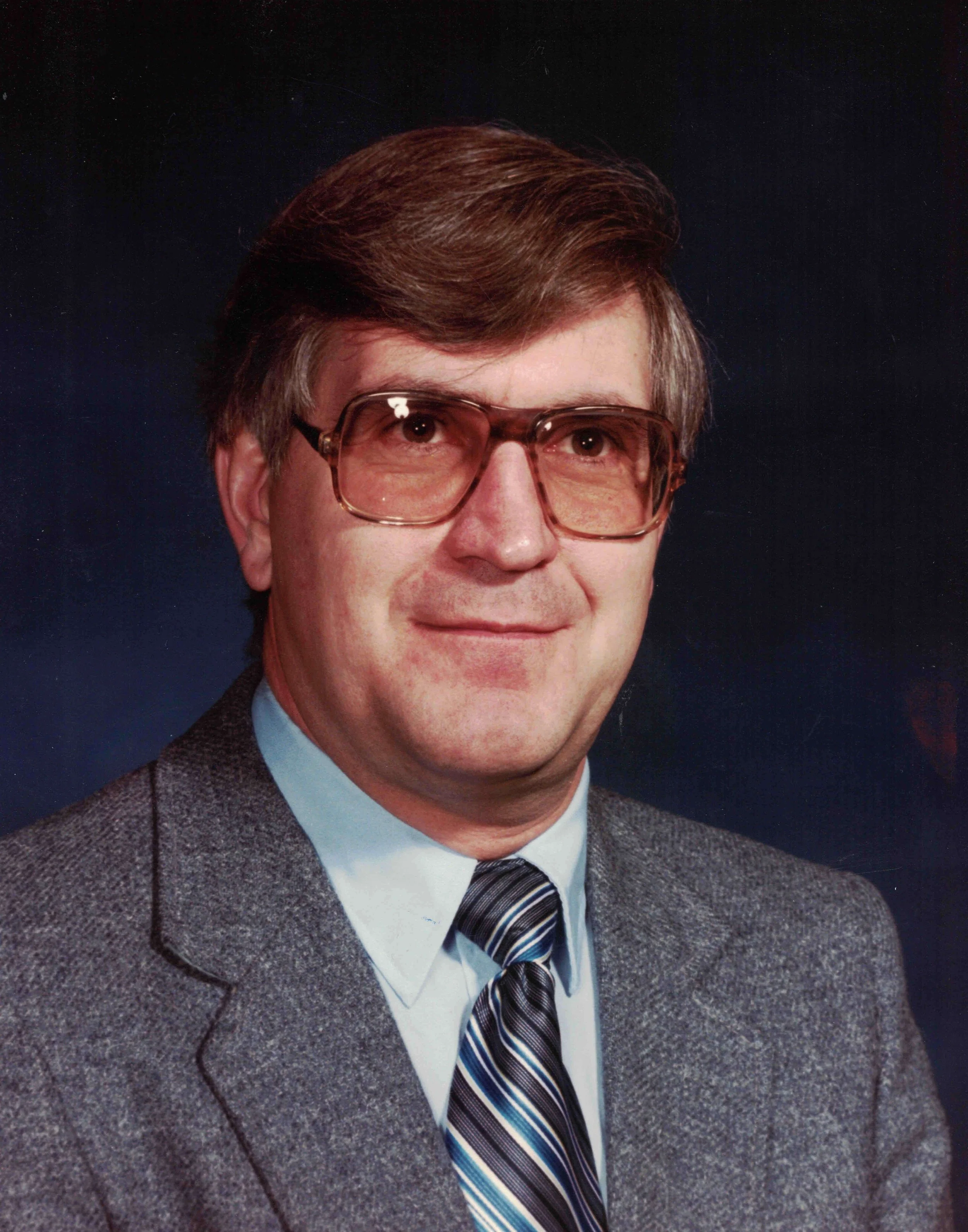
In Luke 9:31, angels speak to Jesus of “his decease, which he should accomplish at Jerusalem.” What an unusual turn of phrase! We don’t usually think of death as an accomplishment, something to strive for. Rather, we use terms that suggest inaction or defeat like decline, pass away and lost his battle. But if you’ve spent any time at the bedside of a terminally ill patient, you will know: dying is hard work.
My dad, Garry Woodruff, was diagnosed with prostate cancer in 2006, about the time I was dealing with my second miscarriage. Modern medicine kept it quiescent for over a decade, but eventually the cancer reappeared in his bones. He endured an emergency surgery, radiation, chemotherapy, and finally the time came when there was nothing more the doctors could do to slow the inevitable progression of the disease.
On a memorable weekend in January of 2019, his systems began shutting down, one after another. We crowded the grandchildren and great-grandchildren into the hospital room for their last visit with Grandpa before he died. He was mentally present enough to shower each of them with love. When my non-binary child arrived, he declared, “You are a treasure.”
We were all anticipating the end, but he woke up the next morning and went on breathing. He was too weak to raise his arms and hold a glass of water, not sure where he was or what month we were in. I asked him, “Are you ready to go?” and he said,
No, I think I still have some things to do here.

A palliative care nurse told us, “I've seen men with this kind of cancer rally and go on for months.” I told myself, “This is good news. I should be happy,” but all I felt was tired. My sister, making plans later that day, said, “It looks like we're in for a marathon, not a sprint.”
Dad soon regained enough strength to shakily feed himself and shuffle around the hospital corridors with his walker. We moved him into a hospice, and he spent over six months there. Six grueling months of illness and discomfort. Six months of mind-altering drugs to numb the pain. Six months with a Foley catheter and a bag of urine hanging by his bed. At times this tough man was overwhelmed by pain, while other days were heavy with monotony. Every so often, he would ask me urgently, “Annette, what is the plan today? What am I supposed to be doing?” He had had work to do all his life, from farm chores as a young boy to multiple volunteer gigs when he retired: he couldn’t wrap his mind around the idea of lying in bed day after day, doing nothing.
Here in Canada, Medical Assistance in Dying was available to him if he chose, but he was adamantly against the idea, and so he went on. Was there any value in those extra months of suffering? There was for me. Those six months of sitting by his bedside blessed me with many precious memories - memories suffused with heartache, heavy with emotional exhaustion and tinged with conflict as each member of the family dealt with their strong feelings in their own way - but precious all the same. In April, he stood shakily, put his hands on my head and gave me a father’s blessing. In May, he urged me to go on a long-planned trip and eagerly awaited my report when I returned.

Walking into his hospice room was like walking into a temple: there was the same outpouring of love and peace, the same feeling of hushed anticipation.
Were those months worthwhile to Dad? He’s not here to answer that question, but I can tell you that I saw growth in him through this time. His perspective on life broadened. Consistent with his generation, he had always been a very black-and-white thinker. Now there was only light. He had come to see that everyone he met was on their own unique path back to their Father in Heaven.
In the crucible of his pain, he became angry at someone who misunderstood his needs. Later he told me, “I made peace with this person.” “How did you do that?” I asked him and he said simply, “I listened to them.”
Over time and with the grace of our Saviour, he was blessed with an opportunity to heal another fractured relationship. Healthy ones deepened. Rather than doing nothing, I saw him doing a great work: he was dying.
When my brother called me, early one morning in August, with two simple words, “He’s gone,” I felt grief, but also peace and even satisfaction. I had a joyful certainty that Dad was in a place where he was comfortable, clear-minded and enjoying his associations with people he loved. He had finished this most difficult of tasks and could move on to other, more congenial work.

He did it! We did it. My father’s crowning accomplishment was complete.
